You’ve tried sitting meditation exactly three times.
Each time, the same thing:
- Cross your legs
- Close your eyes
- “Just breathe”
- Immediately want to crawl out of your skin
Your knee starts aching. Your back feels wrong. Your brain screams: “THIS IS BORING. WHY AM I DOING THIS?”
Five minutes in, you’re thinking about:
- That email you forgot to send
- Whether you left the oven on
- Why meditation feels like torture when everyone else says it’s “peaceful”
- Whether you’re broken because you can’t just sit there
Here’s the truth nobody tells you:
You’re not broken. Sitting still just isn’t the only way.
Welcome to 2025’s biggest mindfulness shift: meditation that moves with you.
Can’t sit still? Try StillMind—guided meditation for walking, yoga, running, or any movement that helps you find presence.
The Great Meditation Myth: “Just Sit Down and Clear Your Mind”
Traditional meditation marketing has sold us a specific image:
- Lotus position
- Perfect posture
- Serene stillness
- Empty mind
- Peaceful bliss
The reality for most people:
- Fidgeting within 30 seconds
- Back pain
- Restless legs
- Racing thoughts that get LOUDER when you try to sit still
- Feeling like a failure because “everyone else can do this”
Here’s what’s happening in 2025:
People are finally saying: “What if meditation could happen while I’m moving?”
And science is backing them up.
The Research That Changed Everything
Recent studies show that movement-based mindfulness practices:
- Reduce stress just as effectively as seated meditation
- Actually work BETTER for people with ADHD, anxiety, or high energy
- Improve focus by engaging the body-mind connection
- Feel more accessible to people who’ve “failed” at traditional meditation
The breakthrough: Your body isn’t a distraction from meditation. It’s a pathway into it.
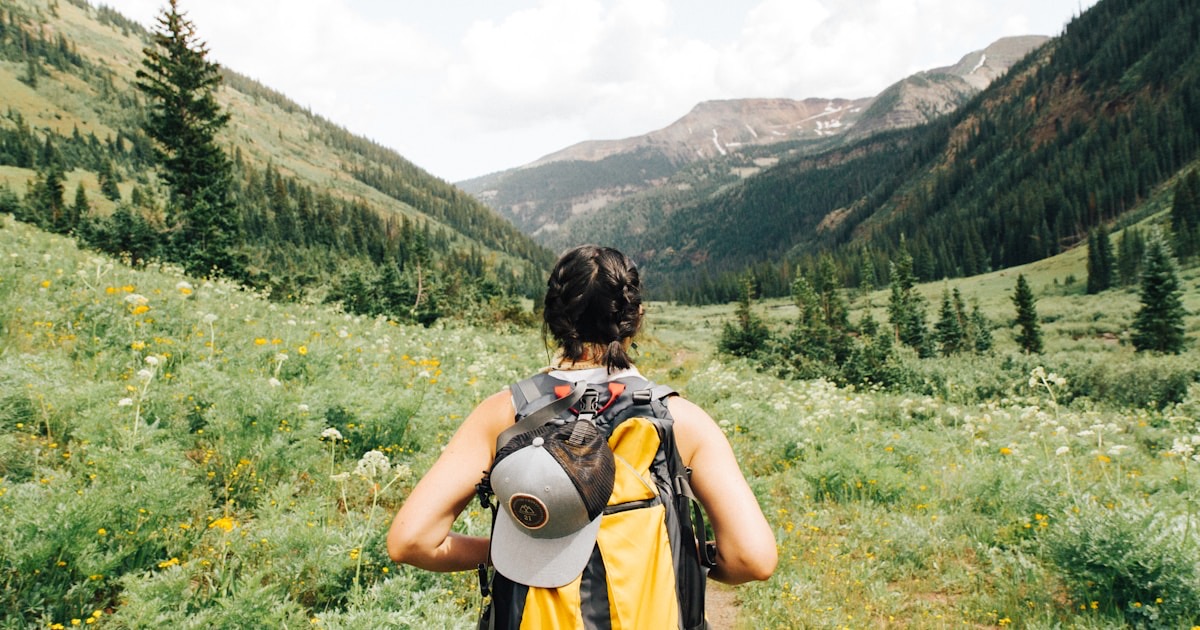 Movement isn’t a meditation failure—it’s a meditation method. Photo by Kalen Emsley on Unsplash
What “Hybrid Meditation” Actually Means
Not just “meditate while you walk.”
Hybrid practices intentionally combine movement with mindfulness techniques for people who:
- Can’t sit still (and shouldn’t have to)
- Find presence easier when their body is engaged
- Need meditation that fits real life (not just quiet rooms)
- Want practice that feels natural, not forced
The Big Trend: Blended Practices Are Exploding in 2025
According to wellness industry reports, hybrid meditation is one of the fastest-growing segments:
Popular combinations:
- Meditation + Walking
- Meditation + Yoga
- Meditation + Running
- Meditation + Tai Chi
- Meditation + Stretching
- Meditation + Breathwork
- Even meditation + strength training
Why now?
People are done trying to force themselves into practices that don’t fit. They want meditation that works with their energy, not against it.
The shift: From “sit still and be calm” to “find presence however your body needs to move.”
The Most Powerful Hybrid Practices (And How to Actually Do Them)
Let’s get specific. Here are the practices taking over in 2025—and how to try them today.
1. Walking Meditation: Mindfulness in Motion
What it is: Meditation while walking—slower than your normal pace, paying attention to each step, breath, and sensation.
Why it works: Your body is already moving, so your mind has less resistance. The rhythm of walking becomes an anchor (like breath in seated meditation).
How to do it:
Your First Walking Meditation (5 Minutes)
Step 1: Find a path
- Outdoors is ideal (park, sidewalk, backyard)
- Indoors works too (hallway, room)
- 20-30 steps is enough space
Step 2: Slow down
- Walk at about 50% your normal pace
- Not super slow—just deliberate
- Natural, comfortable rhythm
Step 3: Notice the sensations
- Heel touches ground
- Weight shifts forward
- Toe pushes off
- Leg swings through
- Repeat
Step 4: When your mind wanders
- Notice you’re thinking
- Gently return to the sensation of walking
- No judgment—this IS the practice
Step 5: Stay present with movement
- Feel your feet
- Notice your breath
- Sense the air on your skin
- Continue for 5 minutes
The magic: You’re not fighting your body’s need to move. You’re using it to anchor attention.
Perfect for:
- People who find sitting meditation unbearable
- Morning practice (before the day accelerates)
- Lunch break reset (walk around the block)
- Processing thoughts after difficult conversations
Try it with guidance: StillMind’s walking meditation provides gentle cues to help you notice sensations without thinking about it too hard.
2. Yoga Nidra: The Deep Relaxation Practice
What it is: Sometimes called “yogic sleep”—a guided meditation where you lie down and systematically relax every part of your body while staying aware.
Why it’s hybrid: You’re still (lying down), but your attention is actively moving through your body. It combines rest with focused awareness.
Why it works: Perfect for people who need to “do something” during meditation. Your task is to follow the guidance and notice sensations—giving your mind a job without requiring physical movement.
How it feels:
- Like the best nap you’ve ever had
- Deeply restful without falling asleep
- Conscious relaxation (not unconsciousness)
Perfect for:
- Evening wind-down
- Insomnia and sleep preparation
- Recovery from burnout
- When you’re exhausted but wired
What Happens During Yoga Nidra
Phase 1: Body Scan Awareness moves through each body part—right thumb, index finger, middle finger, palm, wrist, forearm… systematically relaxing everything.
Phase 2: Breath Awareness Gentle attention to the natural rhythm of breathing—not controlling, just noticing.
Phase 3: Sensations & Emotions Observing feelings and sensations as they arise without attachment or judgment.
Phase 4: Visualization (optional) Some practices include gentle imagery to deepen relaxation.
The result: Profound rest while remaining consciously aware. Like meditation met a spa day.
The science: Studies show 30 minutes of Yoga Nidra can feel as restorative as 2 hours of sleep. Your nervous system shifts into deep parasympathetic mode (rest-and-digest).
3. Running Meditation: Flow State Through Movement
What it is: Bringing mindful awareness to running—not just listening to podcasts while you jog, but using running as a meditation practice itself.
Why it works: The rhythmic nature of running creates a natural anchor. The repetitive motion can induce flow states where your mind settles into present-moment awareness.
How to do it:
Start your run normally
- Warm up for 5 minutes
- Let your body find its rhythm
Shift into awareness mode
- Notice your breath pattern (in-in-out, or your natural rhythm)
- Feel your feet striking the ground
- Sense your body’s movement through space
When thoughts arise
- Acknowledge them without stopping
- Return to breath, footfalls, or bodily sensations
- Keep moving
The difference:
- Not “clearing your mind” while running
- Not zoning out or dissociating
- Actively present with the movement itself
Perfect for:
- Runners who already run regularly
- People who find meditation boring but love movement
- Processing stress through physical release + mindfulness
- Morning energy + mental clarity
4. Tai Chi & Qigong: Meditation Disguised as Movement
What it is: Ancient Chinese practices combining slow, deliberate movements with breath and mental focus.
Why it’s having a moment: 2025’s trend toward “strength + grace”—people want practices that feel powerful AND peaceful, not passive.
Why it works: The movements are slow enough to stay present, complex enough to keep your mind engaged, and flowing enough to feel meditative.
What it looks like:
- Slow, continuous movements
- Weight shifting between feet
- Arms flowing through space
- Breath coordinated with motion
The benefit: Builds physical balance, flexibility, and strength while training mental focus and present-moment awareness.
Perfect for:
- Older adults looking for gentle practice
- People recovering from injury
- Anyone wanting meditation that feels active, not passive
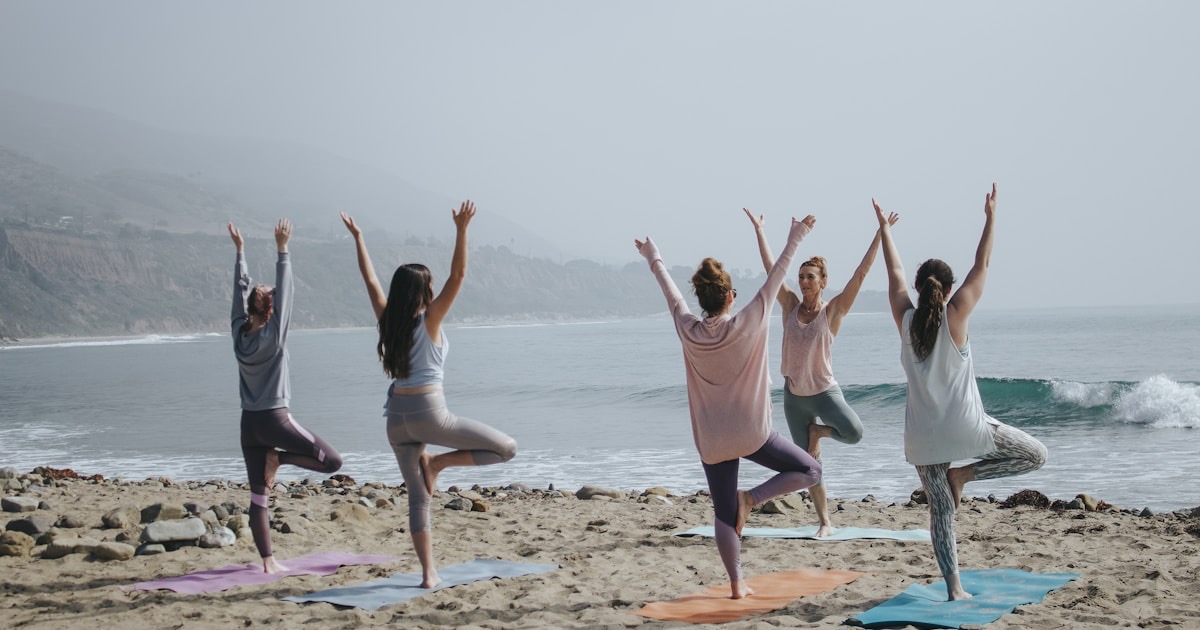 Tai Chi combines mindfulness with movement, creating meditation that feels active and engaged. Photo by Avrielle Suleiman on Unsplash
5. Sound Bath + Breathwork: Multi-Sensory Meditation
What it is: Lying down while surrounded by resonant sounds (singing bowls, gongs, chimes) combined with guided breathing patterns.
Why it’s hybrid: Combines auditory stimulation, breath control, and body awareness—engaging multiple senses to anchor attention.
Why it’s trending: Studios are pairing sound therapy with meditation, offering immersive experiences that feel more like “treatment” than “trying really hard to sit still.”
How it works:
- Sound vibrations create physical sensations in your body
- Your attention follows the sound
- Breath patterns deepen the experience
- Mind has multiple anchors (sound + breath + sensation)
Perfect for:
- People who need sensory engagement to stay present
- Deep relaxation without falling asleep
- Weekend self-care rituals
- Stress recovery and nervous system regulation
The Real Game-Changer: Custom Meditation for ANY Activity
Here’s where 2025 gets wild:
What if you could get guided meditation for literally any movement or activity you’re doing?
Not just preset options. Custom AI meditation for:
- Your morning stretching routine
- Washing dishes mindfully
- Gardening with presence
- Foam rolling after workouts
- Dancing in your kitchen
- Swimming laps
- Cleaning your space as meditation
- Even brushing your teeth with awareness
The breakthrough: StillMind’s personal AI meditation lets you enter ANY prompt and get guidance for ANY activity.
How It Actually Works
Step 1: Tell it what you’re doing
Instead of scrolling through presets, type what you’re actually doing:
- “I’m about to go for a run and want to stay present”
- “I’m doing yoga and want guidance for mindful movement”
- “I’m walking to work and want to use it as meditation”
- “I’m stretching before bed and want to wind down”
Step 2: Choose your guidance level
- Detailed: Step-by-step cues throughout
- Balanced: Guidance at key moments, silence in between
- Minimal: Brief intro, long silent practice, gentle close
Step 3: Pick your voice
- Rachel: Warm, nurturing guidance
- Christopher: Grounding, supportive presence
Step 4: Generate (30 seconds) AI creates a meditation specifically for the activity you’re doing—not generic “mindful movement,” but guidance tailored to running, yoga, walking, or whatever you need.
Step 5: Move with awareness Press play and receive cues that match your activity while you’re doing it.
The difference:
Traditional approach:
- “I’m going for a walk”
- “I guess I’ll play a general walking meditation?”
- “This doesn’t quite fit what I’m doing”
AI approach:
- “I’m walking through the park for 20 minutes and want to process work stress”
- Generate custom meditation
- Receive guidance specifically for: walking + park setting + processing work thoughts
- It actually fits the moment
 Meditation that adapts to your activity—not the other way around. Photo by Geert Pieters on Unsplash
Real-Life Examples
Scenario 1: Morning Yoga Flow
- Type: “Yoga flow, 15 minutes, want to feel energized and present”
- Get: Opening guidance to set intention, periodic cues to notice breath and sensation during movement, closing reflection on how you feel
- Result: Yoga becomes meditation instead of just exercise
Scenario 2: Lunchtime Walk
- Type: “Walking meditation, 10 minutes, need to reset between meetings”
- Get: Guidance to slow down, notice your steps, release work thoughts, return to your body
- Result: Actually return from lunch feeling reset, not still churning on email
Scenario 3: Evening Stretching
- Type: “Stretching before bed, want to release the day and wind down”
- Get: Calming guidance to notice where you’re holding tension, breathe into tight spots, transition into sleep mode
- Result: Stretching becomes a ritual that signals “work is over, rest is here”
Scenario 4: Strength Training
- Type: “Lifting weights, want to stay present with my body and breath”
- Get: Cues to notice muscle engagement, coordinate breath with movement, stay grounded in physical sensation
- Result: Gym time becomes mindfulness practice, not just autopilot reps
Why Hybrid Practices Actually Work Better for Some People
Let’s talk about why movement + meditation might be your missing piece.
The Science of Movement + Mindfulness
Your brain on movement:
- Physical activity increases BDNF (brain-derived neurotrophic factor)—essentially fertilizer for your brain
- Movement releases feel-good neurotransmitters (endorphins, dopamine, serotonin)
- Rhythmic motion naturally regulates your nervous system
When you add mindfulness:
- You amplify the stress-reduction benefits
- You train attention while your body is engaged
- You create new neural pathways connecting movement and awareness
The result: Some people find it easier to access meditative states through movement than stillness.
The science is compelling—the largest wellbeing study ever conducted found that combining exercise with mindfulness produces stronger benefits than either practice alone.
For People Who Can’t Sit Still (You’re Not Broken)
If traditional meditation makes you want to crawl out of your skin, you might be:
Kinesthetic learners:
- Learn and process through physical experience
- Need sensory engagement to focus
- Find stillness activating instead of calming
High-energy nervous systems:
- ADHD, anxiety, or just naturally high baseline energy
- Sitting still creates MORE restlessness, not less
- Movement helps regulate and calm your system
Trauma survivors:
- Sitting still can trigger freeze responses
- Movement creates safety and control
- Active practices feel more accessible
Athletes and movers:
- Already connected to body awareness through sports
- Movement is your existing language for presence
- Sitting meditation feels foreign to how you relate to your body
The permission: You don’t need to force yourself into lotus position. Find the practice that works with your wiring, not against it.
Different Bodies, Different Paths
Seated meditation works for:
- People who naturally find stillness calming
- Introverts who recharge through quiet
- Those with existing stillness practices (prayer, contemplation)
Movement meditation works for:
- People whose bodies need to move to settle
- Extroverts who process through doing
- Anyone who’s “failed” at sitting still
Both are valid. Both are meditation. Choose what actually works for your nervous system.
How to Start Your Hybrid Practice Today
Don’t overthink it. Here’s your week-one plan:
Day 1: Try Walking Meditation (5 minutes)
- After lunch, walk slowly for 5 minutes
- Notice your feet touching the ground
- When you think about work, return to sensations
- That’s it
Day 2: Mindful Morning Stretch (3 minutes)
- Before coffee, stretch for 3 minutes
- Notice where you feel tight
- Breathe into those spots
- Pay attention to how your body feels
Day 3: Custom AI Meditation for Your Activity
- Open StillMind
- Type what you’re about to do (run, yoga, walk, stretch)
- Generate a meditation
- Try it and notice the difference
Day 4: Experiment with Yoga Nidra (10 minutes)
- Evening, lie down somewhere comfortable
- Find a guided Yoga Nidra recording or use AI to generate one
- Follow the body scan
- Notice how you feel after
Day 5: Movement + Breath Awareness (Any activity)
- During ANY movement today (walking to car, climbing stairs, workout)
- Just notice your breath
- Match breath to movement
- 2 minutes of awareness
Day 6: Rest Day or Repeat Your Favorite
- Which practice felt best?
- Do that one again
- Notice if it feels different the second time
Day 7: Reflection
- Which hybrid practice actually worked for you?
- Which one felt forced?
- What do you want to try next week?
The point: Not to do all the practices. To find the ONE that makes you think: “Oh, I could actually do this regularly.”
Ready to Try Meditation That Moves With You?
Free walking meditation, yoga guidance, and custom AI sessions for any activity you choose.
Available now. No pressure to sit still.
What Changes When Meditation Meets You Where You Are
Not talking features anymore. Talking real outcomes.
What People Notice
“Meditation finally makes sense” When you can meditate while doing something that already feels natural (walking, stretching, moving), the practice clicks instead of feeling like torture.
“I actually do it now” Removing the barrier of “I need to sit still for 20 minutes” means you meditate during actual life—lunch walks, morning yoga, evening stretches.
“I’m less in my head” Movement gives your mind something to anchor to (sensations, breath, rhythm). Less spiraling, more presence.
“It fits my real life” Not “I should meditate more.” Just “I’m walking to the store, might as well do it mindfully.” Meditation becomes integrated, not aspirational.
The Bigger Shift
From: “Meditation is something I fail at” To: “Oh, this is meditation for me”
From: Forcing yourself into practices that don’t fit To: Finding practices that work with your energy and lifestyle
From: Meditation as separate, special activity To: Presence woven into movement you’re already doing
The freedom: Meditation doesn’t have to look like Instagram. It can look like you, moving through your day with a little more awareness.
The 2025 Truth: There’s No “Right” Way
Here’s what the meditation world is finally admitting:
Sitting meditation is ONE path. Not THE path.
The goal was never the position. It was the presence.
If you find presence through:
- Walking
- Yoga
- Running
- Tai Chi
- Stretching
- Dancing
- Moving
That IS meditation.
Not “meditation-lite.” Not “practice until you can sit properly.” Not a stepping stone to the “real” thing.
It’s a complete, valid, effective practice.
The Permission You Need
✅ You don’t have to sit cross-legged to be “doing it right” ✅ You don’t have to force stillness if movement serves you better ✅ You can meditate while walking to work, doing yoga, or stretching before bed ✅ Custom guidance for your specific activity is available (and game-changing) ✅ Your path to presence can look completely different from someone else’s
The invitation: Stop trying to fit meditation. Let meditation fit you.
Try It Yourself
The challenge (if you’re willing):
This week:
- Pick ONE hybrid practice that sounds interesting
- Try it for 5 minutes
- Notice how you feel
That’s it.
Not a 30-day commitment. Not a lifestyle overhaul. Just: try moving meditation once and see what happens.
What you might discover:
- “Oh, meditation can feel good instead of torturous”
- “I can actually stay present when my body is engaged”
- “This fits into my life without feeling like one more impossible thing”
Or you might discover:
- “Actually, I prefer sitting meditation”
- “This isn’t for me either”
Both are fine. The point is finding what works for YOU, not what meditation Instagram says you should do.
Start With One Mindful Movement Session
Free guided walking meditation, yoga awareness, or custom AI meditation for whatever movement you choose.
Meditation doesn’t require stillness. It requires presence. And if movement gets you there—that’s exactly what it should be.