You’ve heard about AI meditation. Maybe you’re curious. Maybe you’re skeptical.
The question isn’t “Is AI meditation cool?” It’s: “Does this actually solve problems I have?”
Fair question. Let’s answer it with 5 real, messy situations where AI meditation works better than scrolling through 500 pre-recorded sessions hoping one fits.
Not theory. Not hype. Just: Here’s what was happening, here’s what people needed, here’s what AI meditation provided that generic recordings couldn’t.
This article is part of our Complete Guide to AI-Powered Meditation. New to AI meditation? Start with our Beginner’s Guide.
Use Case #1: The Pre-Presentation Panic (Performance Anxiety)
The Situation
Sarah has 90 minutes until she presents the quarterly results to the executive team. She’s prepared. She knows the material. But her heart is racing, her hands are shaking, and she keeps imagining forgetting her key points while everyone watches.
This isn’t generic “stress.” This is performance anxiety with a specific trigger and timeline.
What She Tried Before
Opening Calm app: Scrolled through “Stress Relief,” “Anxiety Management,” “Quick Calm.”
Tried “Calm Before a Presentation”—but it was recorded for someone, somewhere, giving some presentation. Not her specific high-stakes pitch to leadership.
The generic voice said: “Find a comfortable position and let your shoulders drop…”
But Sarah doesn’t have time to “get comfortable.” She needs targeted guidance that understands the adrenaline, the time pressure, the fact that she’s about to perform.
She gave up after 3 minutes. Felt more stressed from the mismatch.
 Pre-performance anxiety has specific patterns that generic stress relief misses. Photo by Christina @ wocintechchat.com on Unsplash
What AI Meditation Provided
Sarah opened StillMind and typed: “Presenting to executive team in 90 minutes. Heart racing. Worried I’ll forget my points.”
30 seconds later, she had a 12-minute meditation.
The opening didn’t start with generic calm. It started with:
“Your body is doing exactly what it’s designed to do before performance—activating, preparing, sharpening. That racing heart? That’s adrenaline giving you energy. The rehearsal in your mind? That’s your brain trying to prepare you. For the next 12 minutes, we’re not going to fight this activation. We’re going to work with it…”
The session included:
- Grounding techniques for racing thoughts
- Breath practices that work with (not against) activated nervous system
- Visualization for confident delivery
- Acknowledgment that anticipation isn’t wrong—it’s natural
What Changed:
Not that Sarah stopped being nervous. But the meditation met her in the nervousness instead of asking her to “just relax.”
She went into the presentation with the same adrenaline but a different relationship to it.
Why AI Meditation Worked Here:
As we explain in the Complete Guide to AI-Powered Meditation, traditional meditation assumes you fit into broad categories. AI meditation understands the specific texture of performance anxiety versus general stress.
Traditional meditation: One size for all “presentations”
AI meditation: Understands the timeline (90 minutes), the specific fear (forgetting points), the physical sensation (racing heart), and generates guidance for this exact moment.
Facing your own high-stakes moment? Try StillMind and describe your specific situation. See what happens when meditation gets precise.
Use Case #2: The 3 AM Spiral (Sleep Issues + Existential Anxiety)
The Situation
Marcus wakes up at 3:17 AM. Not because of noise. Not because he needs the bathroom. His brain just… turned on.
And it’s not peacefully contemplating the universe. It’s catastrophizing about:
- Whether he’s in the right career
- If he’s wasting his 30s
- What if he looks back at 50 and realizes he chose wrong
- How will he fall back asleep when his alarm goes off at 6:30
- The meta-anxiety about being tired tomorrow because he’s anxious about being awake now
This isn’t “I can’t sleep” insomnia. This is “existential spiral triggered by waking up” anxiety.
What He Tried Before
His sleep meditation playlist:
- “Deep Sleep Hypnosis” — too energizing, voice too cheerful
- “Fall Asleep Fast” — but he’s not trying to fall asleep for the first time; he’s trying to get back
- “Sleep Anxiety Relief” — better, but still talks about “letting go of the day’s worries”
Marcus’s problem isn’t the day’s worries. It’s tomorrow’s decisions. Next year’s regrets. Life-direction questions.
Generic sleep meditations treat all wakefulness the same. They don’t distinguish between:
- Can’t fall asleep initially
- Waking with physical discomfort
- Waking with existential anxiety
 3 AM anxiety isn’t the same as bedtime wind-down. Different wakefulness needs different guidance. Photo by Kate Stone Matheson on Unsplash
What AI Meditation Provided
Marcus typed: “Woke up at 3 AM spiraling about career choices. Can’t shut brain off. Alarm goes off in 3 hours.”
The AI meditation opened with:
“You’re awake when you don’t want to be. And your mind has questions—big ones—that don’t have easy answers. Here’s what we’re not going to do: We’re not going to try to answer those questions right now. We’re not going to force you back to sleep. For the next 15 minutes, we’re going to practice being present with uncertainty. Being okay with being awake…”
The session included:
- Acknowledgment of the frustration of waking when you need rest
- Practices for holding big questions without needing to solve them
- Release of the “I need to fall asleep NOW” urgency
- Gentle permission to be awake without making it a crisis
What Changed:
Marcus didn’t fall back asleep immediately. But the spiral stopped.
He spent 15 minutes in spacious awareness instead of thought-churn. Then—without forcing—drifted back off around 4:10 AM.
Why AI Meditation Worked Here:
Traditional sleep meditation: “Calm down and sleep”
AI meditation: Recognized this isn’t about sleep hygiene. It’s about existential anxiety triggered at 3 AM when defenses are down. Met him there.
Use Case #3: The Post-Argument Tension (Emotional Processing)
The Situation
Elena just had a huge fight with her partner. Not a small disagreement—a real one, with raised voices, things said that can’t be unsaid, and the horrible feeling of disconnection.
Her partner left to cool off. Elena is sitting on the couch with:
- Heart still pounding
- Chest tight
- Replaying what she said
- What she should have said
- What he said
- Whether she overreacted
- Whether he’ll come back angry or sad
She needs to process this. Not “let it go.” Not “forgive and forget.” Process.
What She Tried Before
Her meditation app’s “Difficult Emotions” section:
- “Release Anger” — but she’s not trying to release it; she needs to understand it
- “Forgiveness Meditation” — too soon. She’s not ready for forgiveness. She’s still in the hurt.
- “Compassion Practice” — felt like spiritual bypassing. Like being told to “just be nice” when she’s justified in feeling what she feels.
Traditional meditation often jumps straight to “release” or “forgive” without honoring the messy middle: “I need to feel this without drowning in it.”
 Post-conflict processing isn’t about immediate forgiveness. It’s about feeling without being consumed. Photo by Alev Takil on Unsplash
What AI Meditation Provided
Elena typed: “Just had huge fight with partner. Heart pounding. Said things I regret. Feel disconnected and raw.”
The AI meditation opened with:
“Something broke. Not permanently, maybe, but something. And you’re carrying the sharpness of that break—in your chest, in your heart rate, in the replay. We’re not going to rush to fix this. We’re not going to bypass to forgiveness. Right now, we’re going to practice holding the difficulty without being consumed by it…”
The session included:
- Somatic awareness for the chest tightness, the activation
- Compassion practices that started with self, not other
- Space for acknowledging hurt and responsibility simultaneously
- Techniques for “putting down” the replay without suppressing it
What Changed:
Elena didn’t immediately call her partner and reconcile. But the frantic replay stopped.
She felt the hurt without spiraling. When her partner came back, she could have a conversation instead of continuing the fight.
Why AI Meditation Worked Here:
Traditional meditation: “Forgive, release, move on”
AI meditation: Honored the messy middle of conflict. Acknowledged that processing comes before releasing. Met her where she actually was.
Meditation That Meets You Where You Are
No spiritual bypassing. No forced calm. Just guidance for what you’re actually experiencing.
Available immediately. No subscription required to start.
Use Case #4: The Email Avalanche Paralysis (Decision Fatigue)
The Situation
Dev opens his laptop Monday morning. 147 unread emails.
Not 147 spam. 147 things that require decisions:
- Client requests
- Internal questions
- Budget approvals
- Meeting requests
- “Quick questions” that aren’t quick
He knows he needs to start somewhere. But every time he tries to pick one, his brain says: “But what if that’s not the most urgent one? What if you should start with the other thing?”
So he refreshes his inbox. Checks Slack. Scrolls Twitter. Anything but deciding where to start.
This is decision fatigue. And it’s paralysis, not laziness.
What He Tried Before
His usual “Focus” playlist:
- “Deep Work Concentration” — assumes he’s already working. Doesn’t address the paralysis.
- “Productivity Boost” — too energizing. He doesn’t need energy; he needs to get unstuck.
- “Morning Motivation” — generic pep talk about starting your day strong
None of these addressed the specific paralysis of too many choices.
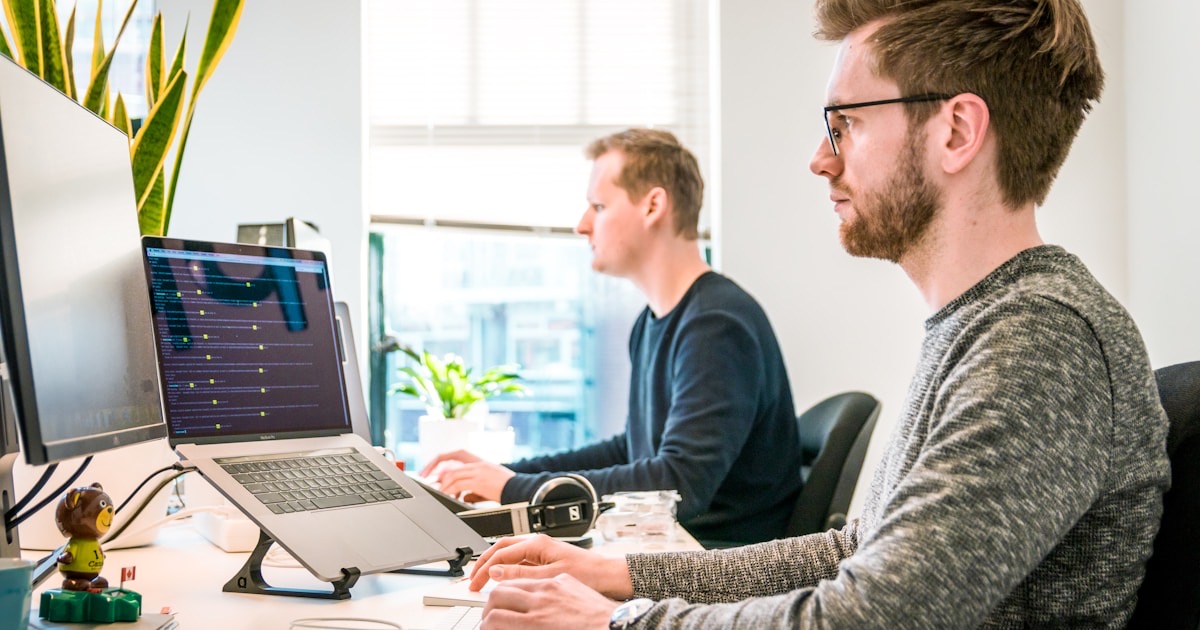 Decision fatigue is real. Generic productivity meditations miss the “where do I even start?” paralysis. Photo by Marvin Meyer on Unsplash
What AI Meditation Provided
Dev typed: “147 unread emails. Paralyzed about where to start. Just refreshing instead of acting.”
The AI meditation opened with:
“Your inbox isn’t the problem. The problem is that your brain is trying to prioritize 147 things simultaneously and it’s locked up. This feeling—paralysis in the face of too many choices—has a name. Decision fatigue. You’re not lazy. You’re overwhelmed. For the next 10 minutes, we’re going to practice being present with the overwhelm without needing to solve all of it right now…”
The session included:
- Acknowledgment that paralysis isn’t procrastination
- Grounding practices to calm the “too many options” panic
- Intention-setting for taking one small action (not solving everything)
- Permission to not have perfect prioritization
What Changed:
Dev didn’t magically become productive. He didn’t respond to all 147 emails.
But after the meditation, he picked one. Responded. Picked another. The paralysis broke.
Why AI Meditation Worked Here:
Traditional meditation: “Focus and be productive”
AI meditation: Recognized this isn’t about focus. It’s about decision overload and the paralysis it creates. Addressed the specific block.
Use Case #5: The Chronic Pain Flare (Physical Discomfort That Generic Body Scans Make Worse)
The Situation
Jenna has fibromyalgia. Most days, she manages. Today is a flare day.
Her whole body feels like it’s bruised. Moving hurts. Lying still hurts. Existing hurts.
She wants meditation to help—not fix the pain, but help her cope with it without making it worse.
Here’s the problem with generic pain meditation: Most use body scan techniques.
“Bring your awareness to your feet. Notice any sensations…”
For Jenna, bringing awareness to her body during a flare amplifies the pain. Fibromyalgia involves central sensitization—the nervous system is already over-noticing everything. Body scans can make it worse.
What She Tried Before
Her meditation app’s “Pain Relief” category:
- “Body Scan for Pain” — made it worse. More awareness = more pain sensation.
- “Breathwork for Discomfort” — better, but still included sections that drew attention to areas of pain.
- “Healing Meditation” — spiritual bypassing. Talking about “sending healing light” when what she needs is validation and coping strategies.
Generic pain meditation treats all pain the same. But fibromyalgia pain needs a different approach than post-workout soreness.
 Chronic pain meditation requires precision. Generic body scans can amplify suffering instead of easing it. Photo by Abbie Bernet on Unsplash
What AI Meditation Provided
Jenna typed: “Fibromyalgia flare. Whole body hurts. Body scans make it worse. Need something different.”
The AI meditation opened with:
“You’re in a flare. And the last thing you need is someone telling you to ‘scan your body and notice sensations’—because you’re already noticing too much. Today’s practice isn’t about bringing more awareness to your body. It’s about giving your nervous system somewhere else to rest…”
The session included:
- Breath as anchor (instead of body sensations)
- Peripheral awareness practices (noticing sounds, temperature) that don’t focus on pain areas
- Validation that pain is real, not something to “breathe away”
- Self-compassion for how hard flare days are
What Changed:
Jenna’s pain didn’t disappear. But her relationship to it shifted.
Instead of fighting the pain or drowning in it, she found small pockets of breath, small moments of presence that weren’t consumed by sensation.
Why AI Meditation Worked Here:
Traditional meditation: “Body scan for all pain”
AI meditation: Understood fibromyalgia’s central sensitization and avoided techniques that would amplify pain. Offered condition-specific alternatives.
(Learn more about meditation for chronic pain conditions.)
The Pattern: When AI Meditation Works Best
Look at what these 5 situations have in common:
1. Specific, not generic
- Not “stress” → Pre-presentation anxiety
- Not “insomnia” → 3 AM existential spiral
- Not “conflict” → Post-argument processing
- Not “overwhelm” → Email paralysis
- Not “pain” → Fibromyalgia flare
2. Existing solutions didn’t fit
- Generic recordings were too broad
- Categories didn’t capture the nuance
- Techniques weren’t appropriate for the specific situation
3. AI provided context-aware guidance
- Acknowledged the specific texture of the problem
- Selected techniques that matched the need
- Met people where they were instead of where meditation “should” take them
What AI Meditation Isn’t Good For
To be fair—AI meditation doesn’t work for everything:
❌ Deep spiritual development → Human teachers offer wisdom AI can’t replicate
❌ Trauma processing → Requires trained therapists, not algorithms
❌ Learning complex techniques → Some practices need demonstration and real-time feedback
❌ Community connection → Sangha and shared practice are irreplaceable
❌ Accountability and mentorship → Relationships matter
Where AI meditation shines: ✅ Specific situational support ✅ Daily practice consistency ✅ Eliminating decision fatigue (no browsing libraries) ✅ Personalization at scale ✅ Privacy for vulnerable moments
Try It for Your Messy, Specific Life
The question was: “Does AI meditation solve problems I have?”
If your problems look like:
- High-stakes performance moments
- Nighttime spirals that don’t fit “generic insomnia”
- Emotional processing that needs space, not immediate resolution
- Decision paralysis that generic focus meditations don’t address
- Physical conditions that need specific, not generic, approaches
Then yes. AI meditation solves problems you have.
The invitation:
Think of one specific, messy situation you’re dealing with right now.
Not “stress.” The actual thing.
Open StillMind. Describe it. See what happens when meditation gets specific.
Your Situation Is Specific. Your Meditation Should Be Too.
Free to try—no subscription required to start.
Describe your real situation. Get meditation made for it. 30 seconds.
Continue Exploring AI Meditation
- Complete Guide to AI-Powered Meditation - Deep dive into how AI meditation works and when to use it
- Best AI Meditation Apps Comparison - Find the right app for these specific use cases
- AI Meditation for Beginners - Your first session walkthrough
Ready to try AI meditation for your own messy situations? Start with our Beginner’s Guide.
Not theory. Not hype. Just: Here’s what was happening, here’s what AI meditation provided that generic recordings couldn’t.
Now you know if it fits your life.